


American Ailments Require Many Products & Services
The United States now has a population exceeding 330 million people, and, regrettably, a significant portion of this population faces health challenges. These issues arise from a variety of factors, including aging, genetic predispositions, environmental exposures, and lifestyle choices such as poor diet, lack of physical activity, or chronic stress. As a result, millions of Americans grapple with a wide range of health conditions, from manageable inconveniences like allergies or minor aches to more serious, life-threatening diseases such as heart disease, diabetes, cancer, and respiratory disorders.
This growing health burden has led to a heightened interest among Americans in seeking solutions for prevention, management, and relief. Many individuals are exploring both traditional medical treatments and alternative therapies, including dietary supplements, exercise programs, mindfulness practices, and natural remedies. The demand for innovative healthcare solutions continues to rise, with people actively seeking ways to improve their quality of life, reduce symptoms, and prevent further complications associated with their health conditions. This focus on proactive health management reflects an ongoing shift toward greater awareness and personal responsibility for well-being in the modern American lifestyle.
Some examples of conditions that have needs for a variety of different products and services are:
Genital Warts Sufferers
Online and mail-order products and services for genital warts have gained significant popularity due to the sensitive nature of the condition and the social stigma often associated with it. Many individuals affected by genital warts experience feelings of embarrassment or discomfort when seeking treatment in person, leading them to prefer more discreet options. These private and anonymous solutions allow sufferers to access effective treatments without the fear of judgment or awkward interactions. Additionally, online platforms often provide a wider range of treatment options, educational resources, and customer support, empowering individuals to manage their condition from the privacy of their own homes. The convenience of home delivery, combined with the assurance of confidentiality, makes these services particularly appealing for those seeking both comfort and discretion.
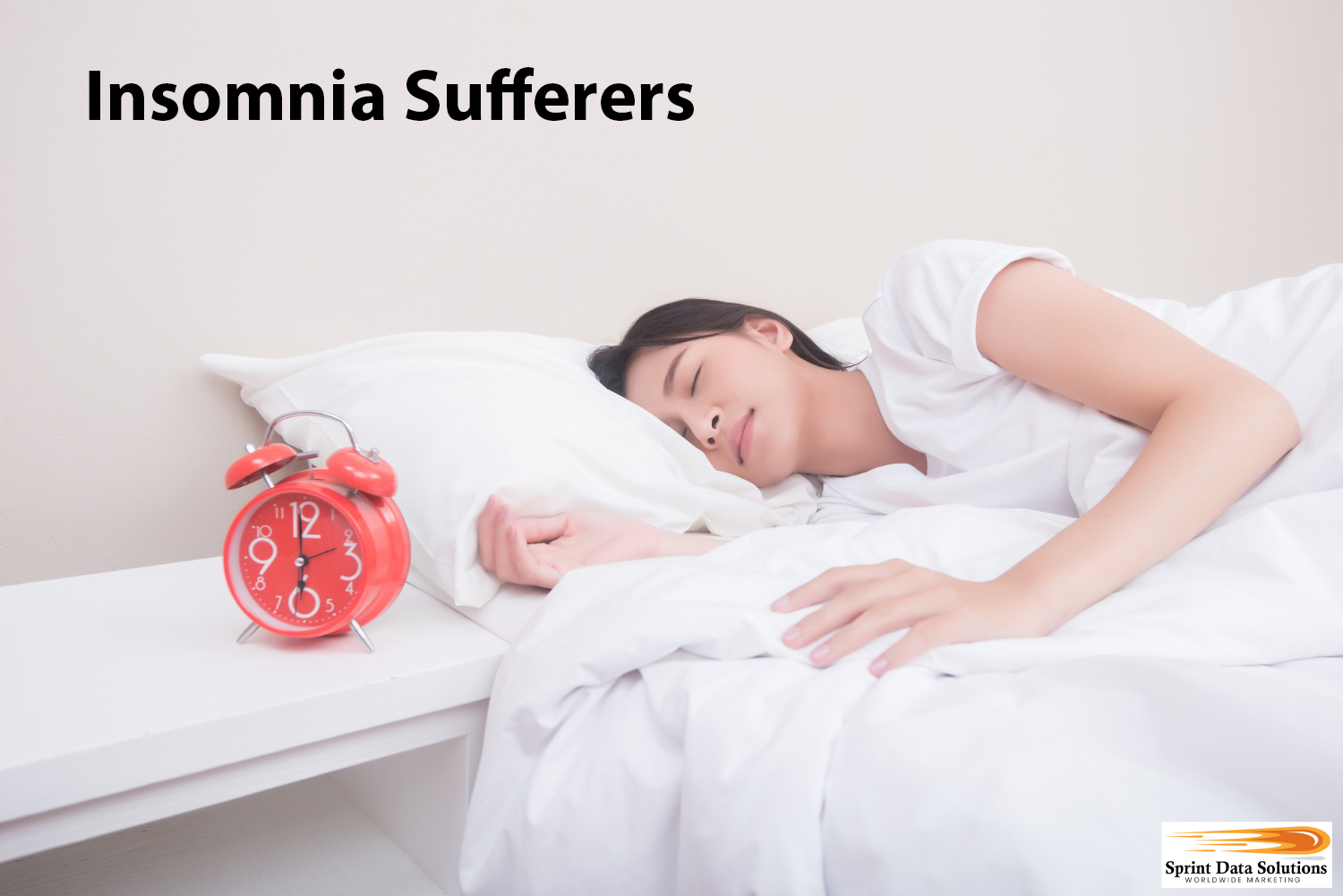
Insomnia Sufferers
Insomnia, defined as the persistent difficulty in falling asleep, staying asleep, or achieving restorative rest, can arise from a wide range of underlying causes. These causes can be categorized into physical, psychological, and environmental factors. Physical conditions such as chronic pain, respiratory issues, or hormonal imbalances (e.g., thyroid disorders) often contribute to sleep disturbances. Psychological factors, including stress, anxiety, depression, and post-traumatic stress disorder (PTSD), are also common triggers. Environmental disruptions, like excessive noise, irregular sleep schedules, or exposure to screens before bedtime, can further exacerbate the problem.
Because insomnia can result from such diverse origins, finding an effective treatment often requires a trial-and-error approach. Medications, such as sedatives or melatonin supplements, may help some individuals, while others might respond better to non-pharmaceutical interventions like cognitive behavioral therapy for insomnia (CBT-I), meditation, or lifestyle changes such as improved sleep hygiene. This complexity leaves room for a wide range of products and services, from specialized sleep aids and weighted blankets to mobile apps designed to promote relaxation and track sleep patterns. As research continues to uncover the multifaceted nature of insomnia, personalized treatments are becoming increasingly important in addressing this challenging condition effectively.
Erectile Dysfunction
Erectile dysfunction (ED), much like genital warts, is a condition that many men feel uncomfortable addressing in public spaces due to the stigma and personal nature of the issue. The sensitivity surrounding both the diagnosis and treatment often leads men to seek more discreet solutions. As a result, private and anonymous interactions are typically favored, with online purchases and direct mail services offering a level of confidentiality that in-person transactions cannot provide. These channels allow men to access treatments, medications, and educational resources without fear of judgment or embarrassment. Moreover, online platforms often offer a wider range of treatment options, competitive pricing, and access to expert consultations, making them not only more private but also more convenient and comprehensive for addressing erectile dysfunction discreetly.
Atopic Eczema Sufferers
Like genital warts, erectile dysfunction (ED) is a sensitive health issue that many men prefer to manage discreetly. Due to the personal nature of the condition, both diagnosis and treatment often involve a desire for privacy and confidentiality. This preference makes online and direct mail channels particularly appealing, as they offer anonymity and convenience without the discomfort of public exposure. Men can research treatment options, consult healthcare providers virtually, and order medications without the stigma often associated with purchasing such products in person. As a result, e-commerce platforms, telehealth services, and discreet direct mail solutions have become the preferred avenues for men seeking effective and confidential ways to address ED.
Sleep Apnea Sufferers
Sleep apnea is a potentially serious sleep disorder characterized by repeated interruptions in breathing during sleep, often without the individual’s awareness due to unconsciousness. These breathing pauses can last from a few seconds to over a minute and may occur hundreds of times throughout the night. This not only leads to significant drops in blood oxygen levels but also disrupts the natural sleep cycle, resulting in daytime fatigue, impaired concentration, and an increased risk of cardiovascular problems, such as high blood pressure, heart disease, and stroke. In addition to these health risks, certain forms of sleep apnea, such as obstructive sleep apnea (OSA), can cause loud, chronic snoring, which can disturb the sleep of bed partners or others nearby. Given the severity of its effects on both personal health and household harmony, there is a substantial and growing market for products and services aimed at diagnosing, managing, and treating sleep apnea. These range from continuous positive airway pressure (CPAP) machines and custom-fitted dental devices to lifestyle interventions, surgical treatments, and even mobile apps designed to monitor sleep patterns and track apnea episodes.
Anaphylaxis
Anaphylaxis is a severe and potentially life-threatening allergic reaction that represents a paradox within the immune system—an exaggerated defense mechanism intended to protect the body from perceived threats. Instead of offering protection, anaphylaxis causes the immune response to spiral out of control, leading to systemic complications such as a sudden drop in blood pressure, narrowing of the airways, swelling of the throat, and, if left untreated, death. The reaction is typically triggered by exposure to allergens such as foods (e.g., peanuts, shellfish), insect stings, certain medications, or even exercise in rare cases.
Given the rapid onset and severity of anaphylaxis, there is a significant focus on both emergency interventions and preventive strategies. Life-saving treatments like epinephrine auto-injectors (e.g., EpiPen) are critical for immediate response, as they can quickly reverse symptoms and stabilize patients until professional medical help arrives. However, long-term management is equally important, involving allergen avoidance, regular consultations with allergy specialists, and personalized emergency action plans. Ongoing research is also exploring desensitization therapies, biologic medications, and innovations in wearable technology that can monitor early signs of an allergic reaction, offering additional layers of protection for those at high risk.
Cellulitis Sufferers
Cellulitis, much like eczema, is a skin condition characterized by painful redness, swelling, warmth, and tenderness in the affected area. Unlike eczema, however, cellulitis is a potentially serious bacterial infection, often caused by Streptococcus or Staphylococcus bacteria, including strains like MRSA. If left untreated, the infection can rapidly spread to deeper tissues and other parts of the body, potentially leading to severe complications such as sepsis or lymphangitis. Early diagnosis and consistent treatment with antibiotics are crucial to managing the condition and preventing escalation. People with cellulitis need to remain vigilant, monitoring for symptoms like increasing pain, fever, or spreading redness. In addition to medical treatments, sufferers often seek out supportive products such as soothing creams, compression wraps, or specialized skincare solutions designed to reduce inflammation and discomfort. Preventative measures like proper wound care, skin hydration, and regular hygiene practices are also essential to minimizing the risk of recurring infections.
Cystitis Sufferers
Cystitis, an inflammation of the bladder, is a common condition that often leads to a urinary tract infection (UTI). While typically not considered life-threatening, it can cause significant discomfort and inconvenience. Women are particularly susceptible due to anatomical factors, with the shorter length of the female urethra allowing bacteria easier access to the bladder. As a result, many women experience recurrent episodes of cystitis throughout their lives, leading to a persistent need for effective management strategies. This creates a demand for products and services designed to alleviate symptoms, prevent future infections, and provide relief during flare-ups. Options include over-the-counter pain relievers, urinary alkalizers, probiotics, lifestyle changes, and medical treatments aimed at reducing recurrence and improving overall urinary health.
Abdominal Aortic Aneurysms
For individuals diagnosed with an abdominal aortic aneurysm (AAA), immediate and significant lifestyle changes are often critical to prevent the condition from progressing to a life-threatening stage. An AAA occurs when the wall of the abdominal section of the aorta, the largest artery in the body responsible for delivering oxygen-rich blood from the heart to the rest of the body, becomes weakened and forms a bulge or balloon-like dilation. If left untreated, the aneurysm can enlarge over time, increasing the risk of rupture—a catastrophic event that leads to massive internal bleeding, sudden severe pain, shock, and, in many cases, death if not treated immediately. Early symptoms are often subtle or absent, but warning signs can include persistent back or abdominal pain, a noticeable pulsing sensation near the navel, dizziness, or leg pain due to impaired blood flow.
Managing an AAA effectively requires a multifaceted approach focused on minimizing stress on the weakened vessel wall and preventing further enlargement. Key strategies include aggressive blood pressure control, as elevated pressure can strain the aorta further, increasing the risk of rupture. Patients are also advised to manage cholesterol levels, as elevated lipids contribute to plaque buildup, which can exacerbate arterial weakness. A heart-healthy lifestyle is crucial, emphasizing a balanced diet rich in fiber, omega-3 fatty acids, and antioxidants to promote vascular health. Low-impact exercises such as walking, swimming, or cycling are generally recommended to maintain cardiovascular fitness without placing excessive strain on the body. High-risk activities, including heavy lifting, high-intensity interval training (HIIT), or any activity that rapidly spikes blood pressure, should be avoided to reduce the risk of sudden stress on the aneurysm.
Medical interventions often complement lifestyle changes. Beta-blockers, ACE inhibitors, or statins may be prescribed to lower blood pressure, control heart rate, and stabilize plaque buildup. In cases where the aneurysm reaches a size threshold (usually over 5.5 cm in diameter) or shows rapid growth, surgical intervention becomes necessary. Two primary surgical options are available: endovascular aneurysm repair (EVAR), a minimally invasive procedure where a stent graft is placed inside the aneurysm through small incisions, and open surgical repair, which involves direct removal of the weakened section of the aorta and replacement with a synthetic graft.
For those living with an AAA, products and services aimed at supporting cardiovascular health and continuous monitoring are invaluable. These include home blood pressure monitors for daily tracking, wearable health devices that monitor heart rate variability and physical activity levels, and compression garments to improve circulation in individuals with concurrent vascular issues. Additionally, personalized medical alert systems provide an added layer of safety by ensuring immediate emergency assistance in case of sudden symptoms or rupture. Regular access to ultrasound or CT scans and consultations with vascular specialists are critical for tracking the aneurysm’s growth and determining when surgical intervention might be necessary.
By combining medical management with proactive lifestyle changes and continuous monitoring, individuals diagnosed with abdominal aortic aneurysms can significantly reduce their risk of complications. With careful adherence to treatment plans and regular check-ups, many patients can lead active, fulfilling lives while minimizing the danger posed by this potentially fatal condition
Sickle Cell
Sickle cell disease (SCD) is a hereditary genetic disorder passed from parents to their offspring through specific gene mutations. It primarily affects the hemoglobin in red blood cells, causing these cells to assume a rigid, sickle-like shape. This deformation reduces their ability to carry oxygen efficiently and makes them more prone to clumping together, leading to blockages in small blood vessels. The result is a range of health complications, with anemia being the most common due to the shortened lifespan of the defective red blood cells.
The symptoms of SCD are diverse and can be severe. Patients often experience chronic fatigue, dizziness, and episodes of extreme pain known as vaso-occlusive crises, which occur when sickled cells obstruct blood flow. Other symptoms include jaundice caused by the breakdown of red blood cells, shortness of breath due to reduced oxygen levels, and in severe cases, life-threatening complications like stroke, acute chest syndrome, or organ damage. As a result, individuals with SCD must adhere to strict health management routines to avoid triggers such as dehydration, extreme temperatures, and physical overexertion.
To help manage these challenges, a range of specialized products and services are essential for individuals with SCD. These include supplements to boost red blood cell production (like folic acid), medications that reduce the frequency of pain crises (such as hydroxyurea), and advanced treatments like blood transfusions or bone marrow transplants in severe cases. Additionally, wearable health devices that monitor oxygen saturation levels and heart rate can offer real-time data to prevent sudden complications. Hydration aids, such as electrolyte-rich beverages and water bottles with intake reminders, are also valuable tools in maintaining proper hydration, which is crucial for preventing blood cell sickling.
For individuals living with an abdominal aortic aneurysm (AAA), comprehensive care revolves around protecting heart health and ensuring vascular stability. AAA is a potentially life-threatening condition where the abdominal aorta weakens and bulges, increasing the risk of rupture. Regular medical monitoring is essential for detecting changes in the aneurysm’s size or structure. Patients are often encouraged to use home blood pressure monitors, wearable fitness trackers, and compression garments that help promote healthy blood flow and reduce cardiovascular strain.
Personalized medical alert systems are another critical tool, providing emergency services with vital information should an individual experience a sudden rupture or related complication. Additionally, adherence to a heart-healthy diet, routine physical activity, and medications to control cholesterol and blood pressure can all contribute to managing the risks associated with AAA. With consistent care and early intervention strategies, individuals diagnosed with AAA can lead a stable life and significantly reduce the risk of catastrophic complications.
Varicose Vein Sufferers
Varicose veins affect approximately 3 in 10 adults, primarily presenting as enlarged, twisted, and darkened veins visible just beneath the skin’s surface. While often considered a cosmetic concern, particularly when they appear on the legs, this condition can also lead to significant discomfort, pain, and heaviness for some individuals. In more severe cases, varicose veins can cause complications such as swelling, skin changes, or even ulcers. Although there is no definitive cure, the condition can be effectively managed through a combination of lifestyle adjustments, medical treatments, and specialized products. These include compression stockings, laser therapy, sclerotherapy, and minimally invasive surgical procedures. For ongoing symptom relief, sufferers often seek products and services tailored to reducing discomfort, improving circulation, and enhancing overall vascular health, making management a multifaceted and continuous process.
Stroke Victims
Experiencing a stroke can be both a frightening and life-altering event, often accompanied by a range of lingering physical, emotional, and cognitive symptoms. While immediate medical attention can be life-saving, stroke survivors frequently face long-term challenges during recovery. These after-effects can include partial or complete paralysis, chronic pain, numbness, persistent fatigue, and issues with urinary or bowel control. Additionally, many survivors grapple with emotional and psychological impacts such as depression, anxiety, difficulty concentrating, memory loss, or even post-stroke cognitive decline.
Given the wide variety of symptoms and their severity, each stroke survivor will require a tailored treatment plan to address their specific needs. For instance, individuals dealing with depression and anxiety may benefit from counseling, mood-stabilizing medications, or support groups, while those experiencing chronic pain or paralysis may require specialized physical therapy, assistive devices, or pain management medications. Moreover, cognitive rehabilitation, occupational therapy, and lifestyle adjustments, including dietary changes and exercise, can play vital roles in supporting long-term recovery. As a result, healthcare providers must take a comprehensive, patient-centered approach to ensure that each stroke victim receives the personalized care and support necessary for the best possible quality of life.
Liver Disease
Liver disease remains a serious health condition with limited treatment options, and in many cases, the only definitive cure is a liver transplant. Unfortunately, transplants are not always accessible due to the scarcity of available organs and the need for a suitable match between donor and recipient. As a result, most patients must focus on managing their symptoms while slowing the disease’s progression. Common symptoms include jaundiced skin (yellowing of the skin and eyes due to bilirubin buildup), persistent nausea, vomiting, chronic fatigue, severe itching (pruritus), abdominal swelling, and an increased tendency for bruising and bleeding due to impaired liver function.
Because of these ongoing challenges, individuals living with liver disease often seek out products and services designed to ease their symptoms and improve their quality of life. This creates a highly engaged market, where demand exists for everything from specialized dietary supplements and liver-friendly meal plans to skin-soothing treatments for pruritus and wearable medical devices that monitor liver function. Additionally, services like nutritional counseling, psychological support, and alternative therapies such as acupuncture or massage therapy can help address the physical and emotional toll of the disease. Companies that offer innovative, scientifically-backed solutions to manage liver disease symptoms have the opportunity to meet a pressing need in this growing and attentive market.
Diabetes Type II
Diabetes is a chronic, lifelong condition that currently has no cure, but with proper management, individuals can lead healthy and fulfilling lives. Managing diabetes typically involves a combination of dietary adjustments, regular physical activity, and adherence to prescribed medications, such as insulin injections or oral hypoglycemic agents, to maintain stable blood glucose levels. In addition to these measures, regular monitoring of blood sugar levels and routine medical check-ups are essential to prevent complications.
If left unmanaged, diabetes can become life-threatening, increasing the risk of severe health complications such as heart disease, kidney failure, vision impairment, and nerve damage. However, with consistent care, individuals can minimize these risks and manage more common symptoms, including frequent infections, unintended weight loss, fatigue, slow-healing wounds, and neuropathy—manifesting as numbness, tingling, or pain in the hands and feet. Early intervention, lifestyle changes, and close collaboration with healthcare providers play a crucial role in maintaining overall well-being and preventing long-term complications.
Arthritis Sufferers
Arthritis is a chronic condition characterized by the inflammation of one or more joints, leading to persistent pain, stiffness, swelling, and reduced mobility. While it is most commonly associated with seniors due to the natural wear and tear on joints over time, adults of various age groups—especially those with physically demanding lifestyles or genetic predispositions—can also develop the condition. The two most common types of arthritis are osteoarthritis, which results from the gradual breakdown of cartilage, and rheumatoid arthritis, an autoimmune disorder where the immune system mistakenly attacks the joints.
Living with arthritis can be challenging, as the discomfort often disrupts daily activities and diminishes overall quality of life. As a result, those affected frequently seek out effective treatments and remedies to manage their symptoms. In recent years, CBD (cannabidiol) has gained considerable popularity among arthritis sufferers, particularly within the senior community. Research suggests that CBD can help alleviate pain and inflammation without the addictive properties or severe side effects often associated with prescription painkillers. In addition to CBD, other alternative therapies, such as physical therapy, acupuncture, and anti-inflammatory diets, are also becoming increasingly popular for their potential to improve mobility and reduce the frequency of arthritis flare-ups.

Asthma Sufferers
Asthma is a chronic respiratory condition that affects the airways in the lungs, causing them to become inflamed and narrowed, which makes breathing difficult. This lifelong condition has no definitive cure, but its symptoms can be effectively managed with proper treatment and lifestyle adjustments. Common symptoms include shortness of breath, persistent coughing, wheezing, chest tightness, and, in some cases, severe allergic reactions triggered by environmental factors such as pollen, dust, or pet dander.
Management typically involves the use of inhalers—both quick-relief (bronchodilators) and long-term control medications (corticosteroids)—to reduce airway inflammation and prevent acute asthma attacks. Beyond inhalers, other treatment options include nebulizers, oral medications, and biologic therapies for severe cases. Additionally, services such as pulmonary rehabilitation, allergen-proofing homes, and air filtration systems can help minimize exposure to triggers. Lifestyle changes like regular exercise, maintaining a healthy weight, and practicing breathing techniques can also improve lung function and overall quality of life for asthma sufferers. Regular consultations with healthcare providers ensure that treatment plans remain effective and are adjusted as needed over time.
Ulcer Sufferers
Ulcers can develop from a range of causes, including well-documented medical conditions with clear physical origins—such as bacterial infections (like Helicobacter pylori) or the overuse of nonsteroidal anti-inflammatory drugs (NSAIDs)—as well as from less tangible factors like prolonged psychological stress, which can indirectly trigger digestive disturbances. Because of this complexity, managing ulcers and the discomfort they cause often requires a multifaceted approach that addresses both physical and emotional factors.
The appropriate treatment strategy for ulcers largely depends on the underlying cause. For ulcers stemming from bacterial infections or medication overuse, medical interventions such as antibiotics, proton pump inhibitors (PPIs), or antacids are commonly prescribed to reduce stomach acid and promote healing. On the other hand, when stress-related factors contribute to digestive issues, lifestyle changes—such as mindfulness practices, cognitive-behavioral therapy, or relaxation aids like aromatherapy and herbal supplements—can be equally important in relieving symptoms and preventing recurrence.
A wide variety of products and services are available to support ulcer management, ranging from pharmaceutical treatments that directly address physical symptoms to holistic therapies aimed at reducing stress and promoting overall digestive health. Dietary adjustments, probiotics, and natural remedies like licorice root or aloe vera supplements can also offer additional relief, making a personalized treatment plan essential for effectively addressing the specific cause and severity of each case.
Bipolar Disorder
Bipolar disorder is a complex psychological condition characterized by significant mood swings that can range from intense emotional highs, known as manic episodes, to profound lows, referred to as depressive episodes. During manic phases, individuals may experience heightened energy, euphoria, impulsive decision-making, and decreased need for sleep, often leading to risky behaviors. Conversely, depressive phases can bring feelings of sadness, hopelessness, fatigue, and a loss of interest in activities once enjoyed—symptoms commonly associated with chronic depression.
While prescription medications such as mood stabilizers, antipsychotics, and antidepressants play a crucial role in managing and stabilizing emotional states, bipolar disorder often requires a multifaceted treatment approach. Non-prescription interventions, including cognitive-behavioral therapy (CBT), mindfulness practices, and structured lifestyle changes, have proven effective in regulating mood. Additionally, products such as weighted blankets, meditation apps, light therapy lamps, and supplements like omega-3 fatty acids can help support emotional balance. Access to support groups, peer networks, and professional counseling services also provides essential tools for individuals seeking to manage their condition holistically alongside medical treatment.
Allergy Sufferers
Although typically not life-threatening, allergies can significantly diminish the quality of life for those who suffer from them. Individuals with allergies to specific types of dander found in the fur of animals, such as cats, dogs, or other furry pets, are often unable to keep these animals in their homes without risking discomfort or health complications. Allergies can be triggered by a diverse array of sources, including certain foods like peanuts and shellfish, environmental factors such as pollen, mold spores, and dust mites, or even insect stings and chemicals in everyday products.
While over-the-counter medications like antihistamines and decongestants offer temporary relief by alleviating symptoms such as sneezing, itching, or congestion, they often fail to address the underlying causes of allergic reactions. Consequently, individuals with allergies remain eager to explore innovative treatment options and management strategies that go beyond symptom suppression. This interest extends to advanced therapies such as immunotherapy, personalized allergy testing, and emerging treatments that aim to reduce hypersensitivity over time. Given the vast range of potential allergens and the severity of reactions they can provoke, ongoing research and development in this field continue to hold significant importance for improving the daily lives of allergy sufferers.
Chronic Pain
The chronic pain demographic represents a vast and diverse market composed of individuals suffering from persistent discomfort due to a wide range of underlying conditions. These conditions can stem from musculoskeletal issues like arthritis, nerve-related problems such as neuropathy, internal conditions including gastrointestinal disorders like irritable bowel syndrome (IBS) or chronic indigestion, and even dermatological conditions like eczema or psoriasis. Other contributors to chronic pain include fibromyalgia, migraines, post-surgical complications, and injuries that never fully heal.
Given the complexity and variety of chronic pain causes, the strategies for managing these symptoms are equally diverse. Temporary relief can be achieved through various pharmaceutical interventions, including prescription medications like opioids or non-steroidal anti-inflammatory drugs (NSAIDs). Over-the-counter solutions, such as acetaminophen or topical analgesics, offer more accessible but often less potent options. In addition to medication, holistic and non-invasive treatments like chiropractic care, physical therapy, massage therapy, acupuncture, and mindfulness-based stress reduction (MBSR) programs have gained traction for their effectiveness in managing pain without the side effects associated with pharmaceuticals.
Emerging treatments also focus on cutting-edge technology, including transcutaneous electrical nerve stimulation (TENS) devices, wearable pain relief gadgets, and personalized physical therapy apps designed for home use. For those seeking natural solutions, products containing cannabidiol (CBD), herbal supplements, or dietary changes are also becoming increasingly popular as part of an integrated pain management strategy.
Chronic pain sufferers represent a lucrative and growing market, especially as awareness increases and healthcare providers move toward multidisciplinary approaches. However, successfully engaging with this demographic requires a deep understanding of their specific needs and pain triggers. A targeted marketing strategy—whether promoting pharmaceuticals, wellness services, or holistic solutions—must align with the underlying cause of an individual’s pain, offering personalized solutions that build trust and provide meaningful relief.
High Cholesterol
High cholesterol is a common health condition that often arises from lifestyle choices, particularly those related to diet. In a country like America, where food plays such an integral role in daily life, it’s not surprising that so many individuals struggle with elevated cholesterol levels. Unfortunately, high cholesterol is typically asymptomatic, meaning most people are unaware of their condition until it is potentially too late. If left unmanaged, this condition can lead to serious health complications, such as chest pains, strokes, and heart attacks, all of which can significantly impact an individual’s quality of life or even be life-threatening.
What makes managing high cholesterol particularly challenging is that it often requires a long-term commitment to altering one’s diet and lifestyle. Instead of relying solely on medication, the most effective management strategy revolves around making healthier food choices, engaging in regular physical activity, and incorporating habits that support overall heart health. Fortunately, there is an array of dietary supplements, exercise programs, and lifestyle interventions designed to help individuals maintain balanced cholesterol levels and reduce the risk of cardiovascular disease. By embracing a proactive approach to health and utilizing available resources, people can take control of their cholesterol levels, improve their heart health, and ultimately lead healthier, more fulfilling lives.
COPD
Chronic obstructive pulmonary disease (COPD) refers to a group of progressive lung diseases that result in airflow limitation and breathing difficulties. These conditions include emphysema, chronic bronchitis, and some forms of asthma, all of which lead to symptoms such as chronic cough, wheezing, shortness of breath, and the production of excess mucus and phlegm. COPD can be particularly challenging for those who have had COVID-19, as the virus can exacerbate pre-existing lung conditions, further obstructing airflow and leading to more severe respiratory issues.
Historically, COPD was most commonly associated with long-term smoking and exposure to harmful pollutants. However, with increasing awareness and research, it has become clear that other factors—such as a family history of respiratory diseases, long-term exposure to occupational hazards (like dust or chemicals), and even severe respiratory infections—can also contribute to the development of COPD. In some cases, genetic factors such as alpha-1 antitrypsin deficiency can predispose individuals to developing COPD, even without smoking or environmental exposure.
Due to the diverse range of causes that contribute to COPD, management and treatment strategies must be tailored to each individual’s needs. For instance, patients with COPD caused by smoking may benefit from smoking cessation programs and bronchodilator therapies, while those with a history of asthma may require inhalers and corticosteroids. Similarly, people who have developed COPD as a result of environmental exposure might need interventions to limit further exposure and reduce inflammation in the lungs. Because of these variations, there is significant opportunity for businesses to create targeted marketing campaigns for COPD-related products and services, ensuring that the right treatment or product is matched with the specific underlying cause of the disease. This presents a growing market for healthcare professionals, pharmaceutical companies, and wellness providers looking to address the diverse needs of those suffering from COPD.
Lactose Intolerance
Lactose intolerance is a common condition where individuals experience adverse reactions after consuming foods containing lactose, a sugar found primarily in dairy products. Unlike diseases, lactose intolerance is a sensitivity to a specific component of food, which the body struggles to digest due to a deficiency of lactase, the enzyme responsible for breaking down lactose. The symptoms, though not life-threatening, can significantly affect a person’s quality of life. Common discomforts include bloating, abdominal cramps, diarrhea, excessive gas, and overall indigestion. These symptoms are a result of undigested lactose fermenting in the colon, causing gastrointestinal distress.
While lactose intolerance is often manageable through diet modifications—such as avoiding dairy or choosing lactose-free alternatives—there are additional options available to reduce symptoms. Lactase supplements can be taken before consuming dairy products, aiding the digestive process and reducing the discomfort associated with lactose consumption. Many food companies now offer a variety of lactose-free products, including milk, cheese, and yogurt, making it easier for individuals with lactose intolerance to maintain a balanced diet without the fear of discomfort. Moreover, some medications may provide relief by targeting symptoms like bloating or gas, further enhancing the management of the condition.
For those with more severe cases or a strong sensitivity to lactose, consulting with healthcare providers can be crucial in creating a personalized plan to handle the condition effectively. With the right combination of diet management, supplementation, and medication, individuals with lactose intolerance can still enjoy a fulfilling, healthy lifestyle while avoiding unpleasant symptoms.
Cirrhosis
Cirrhosis is a progressive liver disease characterized by the scarring of liver tissue, which significantly impairs the organ’s ability to function properly. This scarring, or fibrosis, can result from chronic liver diseases such as hepatitis, fatty liver disease, or long-term alcohol abuse, among other causes. When the liver is overwhelmed with toxins, alcohol, or viral infections over extended periods, it becomes damaged, leading to cirrhosis. As liver cells are replaced with scar tissue, the liver’s ability to detoxify, store nutrients, and produce vital proteins is compromised.
The symptoms of cirrhosis vary depending on the extent of liver damage, and they can range from mild to severe. Early signs may include fatigue, weakness, and loss of appetite, but as the condition progresses, more serious symptoms develop, such as jaundice (yellowing of the skin and eyes), swelling in the abdomen (ascites), and easy bruising. Additionally, individuals with cirrhosis may experience confusion or changes in mental function, known as hepatic encephalopathy, due to the liver’s inability to filter toxins from the bloodstream. The risk of severe complications, such as liver cancer or liver failure, increases as cirrhosis advances.
Managing cirrhosis requires a multifaceted approach. Treatment may focus on addressing the underlying causes, such as abstaining from alcohol, controlling viral hepatitis with antiviral medications, or managing fatty liver disease through diet and weight loss. Medications may be prescribed to control symptoms, such as diuretics for fluid retention or lactulose for hepatic encephalopathy. In more severe cases, a liver transplant may be considered. Beyond medical treatment, there is a significant market for products and services that aim to support liver health, manage symptoms, and address the behaviors contributing to liver damage. These include liver health supplements, dietary plans, and support for alcohol moderation or cessation, as well as medical devices that assist in monitoring liver function.
Obesity
Obesity is a complex health condition with a variety of contributing factors, ultimately leading to excessive weight gain that can severely affect an individual’s overall health and quality of life. While genetic predispositions and medical conditions, such as thyroid issues or hormonal imbalances, may play a role in obesity, the most prevalent causes are related to lifestyle and dietary choices. The overconsumption of high-calorie, nutrient-poor foods, especially those rich in unhealthy fats and sugars, combined with insufficient physical activity, are key contributors to the development of obesity. Furthermore, modern sedentary lifestyles and easy access to calorie-dense, processed foods have exacerbated the problem, leading to an increasing number of individuals struggling with excess weight.
The symptoms of obesity are typically noticeable and can range from physical discomfort, such as joint pain, particularly in the knees, hips, and lower back, to more severe health complications. Breathlessness, even during minor physical exertion, is common, and a significant reduction in physical fitness is often observed. Obesity also increases the risk of developing chronic conditions, including heart disease, diabetes, high blood pressure, and sleep apnea, making it a leading cause of preventable illness and death in many parts of the world, particularly in the United States.
Given its widespread impact, addressing obesity is an ongoing priority for healthcare professionals, as well as for those seeking products and services that support weight loss and healthier living. A comprehensive approach that includes both lifestyle modifications—such as adopting a balanced, nutrient-rich diet and increasing physical activity—and medical interventions is often recommended. Weight loss solutions range from dietary supplements, meal delivery services, and fitness programs to more advanced options like weight loss surgery or prescription medications. As public awareness of the health risks associated with obesity grows, the demand for effective solutions continues to rise, creating a robust market for products designed to help individuals manage their weight and improve their health. Additionally, the growing recognition of mental and emotional factors that contribute to obesity has spurred the development of counseling and therapy services, making the journey to healthier living a more holistic endeavor.

We Can Help
Sprint Data Solutions Worldwide Marketing was founded in Las Vegas, Nevada, and proudly maintains its headquarters there to this day. From its humble beginnings in the direct mail industry, the company quickly gained recognition for its expertise in collecting and managing large, diverse databases and mailing lists. By providing businesses with the tools to precisely target their marketing efforts, Sprint Data Solutions Worldwide Marketing was able to extend its reach far beyond the local Nevada market. Over time, its services expanded across the entire continental United States, including Hawaii and Alaska, as well as to neighboring North American countries like Canada and Mexico. Not stopping there, the company also extended its services to European markets, including France, solidifying its position as a global leader in direct mail marketing.
Today, Sprint Data Solutions Worldwide Marketing boasts a vast and continuously evolving database, one that is rigorously reviewed and updated to ensure its accuracy and relevance. The company provides far more than just physical mailing addresses; it offers a wide range of contact options tailored to specific marketing needs, including telephone numbers for voice calls, email addresses, and cellular phone numbers for SMS/text messaging. This comprehensive and up-to-date data repository enables businesses to reach their target audiences through multiple channels, ensuring maximum engagement and impact for their marketing campaigns.
Obesity remains a significant and growing issue in the United States, with its far-reaching impacts on individuals’ health and quality of life. The physical signs of obesity are often easy to identify—excess weight, joint and back pain from carrying that extra load, breathlessness, and overall reduced physical fitness. However, the causes of obesity are complex, ranging from genetic factors and poor diet to sedentary lifestyles and psychological elements. As this ongoing health crisis continues to affect millions of Americans, the demand for products and services that can aid in weight loss and improve overall health has never been higher. Solutions such as nutritional supplements, fitness programs, weight loss surgery, and lifestyle coaching have become more mainstream, addressing the root causes of obesity by promoting healthier habits and dietary changes. For individuals struggling with obesity, managing and reversing the condition requires long-term commitment, often involving a combination of medical interventions, physical activity, and behavioral changes that can dramatically improve their quality of life.
Help The Right People
Sprint Data Solutions Worldwide Marketing specializes in helping businesses connect with the right audience by leveraging detailed, actionable data. We provide insights that allow our clients to target potential customers who are most likely to benefit from their products or services. By utilizing key demographic factors such as race, faith, economic status, and health conditions (including specific ailments), we ensure your message reaches those who will respond positively and engage meaningfully.
Our approach includes comprehensive turnkey solutions that guide clients through every phase of their direct mail campaigns. From initial concept and strategy development to creative design, high-quality print production, and efficient delivery, we manage the entire process. This seamless experience allows businesses to focus on their goals while we ensure their marketing efforts are executed flawlessly.
If you’re looking to reach individuals who would most benefit from your healthcare or wellness products, services, or any other specialized offering, Sprint Data Solutions Worldwide Marketing is the partner you need. Contact us today to start the conversation, and let us help you achieve measurable success in your targeted marketing initiatives.