


Auto After Market Leads l Auto Warranty Expiring Leads l Automotive Parts Buyers Mailing Lists
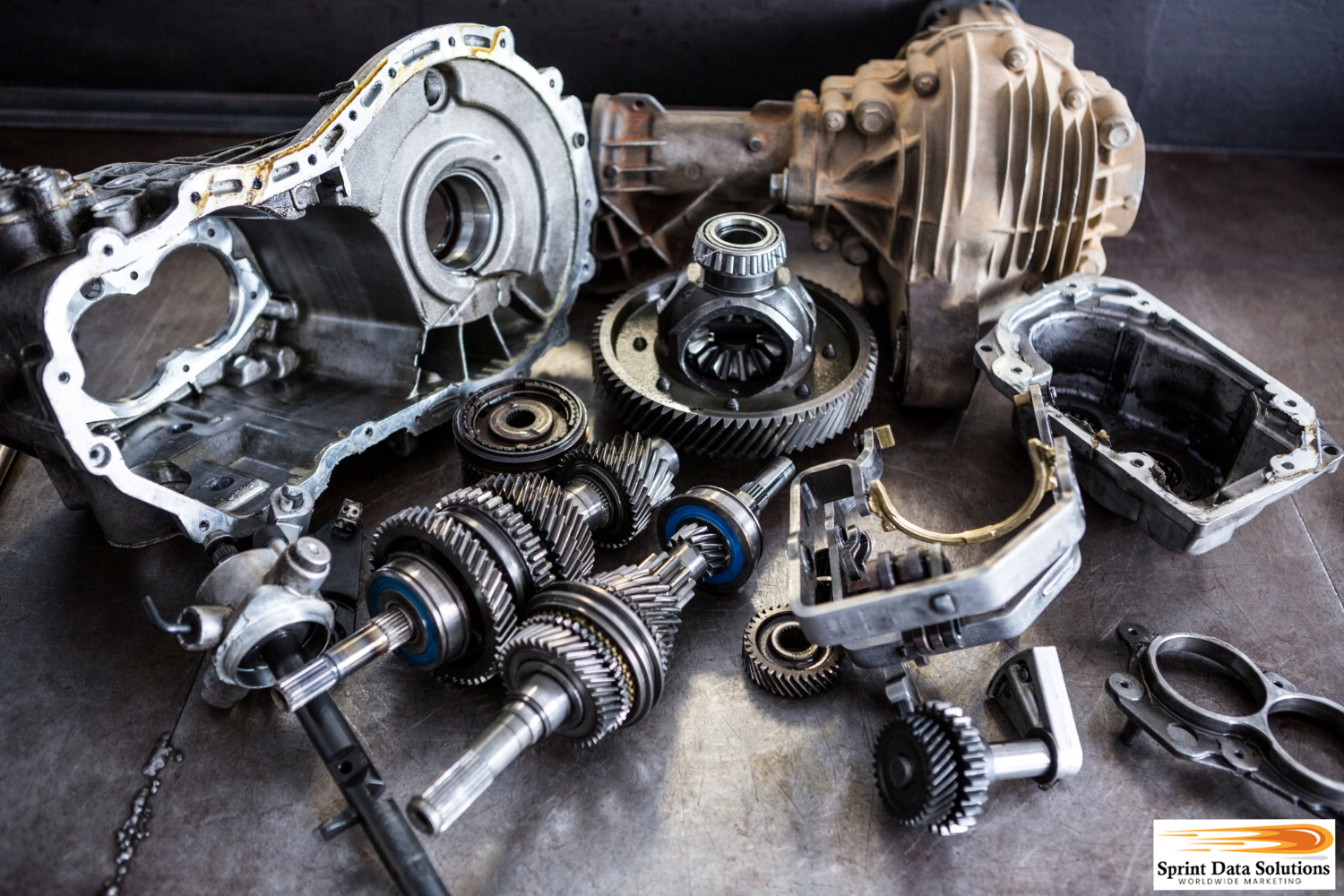
Our Mailing List Website provides exclusive, high-quality auto aftermarket leads, specifically curated to help businesses in the automotive industry reach the right audience. These leads are meticulously compiled and updated by a fully American-owned and operated company, founded and led by a dedicated disabled veteran. With a focus on integrity and precision, we ensure that our leads are tailored to meet the needs of your marketing campaigns, helping you target the right customers for products like car parts, accessories, and performance upgrades. By leveraging our vast database, businesses can efficiently enhance their outreach efforts, achieve higher engagement, and boost sales in the competitive auto aftermarket market.
The auto aftermarket industry is a dynamic and thriving sector, not only in the United States but globally. This market encompasses a wide range of products and services designed to enhance, upgrade, and maintain vehicles after their initial sale. From performance parts and accessories to maintenance solutions and repair services, the aftermarket provides vehicle owners with the opportunity to personalize and improve their cars, trucks, and motorcycles. As consumer demands evolve, staying ahead of the competition within this fast-paced industry requires access to up-to-date aftermarket leads. These fresh leads are crucial for businesses, as they allow for targeted marketing efforts, effective customer engagement, and the ability to respond to emerging trends. Whether it’s new product innovations, vehicle customization, or sustainable alternatives, the automotive aftermarket continues to fuel economic growth, keeping businesses competitive, adaptive, and at the forefront of a rapidly changing market.
Las Vegas, Nevada (MM DD, 2020) – Sprint Data Solutions Worldwide Marketing is excited to announce the availability of high-quality auto aftermarket leads tailored to businesses in the automotive industry. These meticulously curated lists focus on key market segments such as auto parts suppliers, maintenance providers, repair shops, and specialized automotive services. By providing precise targeting, these lists allow businesses to reach highly relevant audiences, offering a more effective alternative to traditional mass-market approaches that often result in diluted or less reliable engagement. With the ability to segment based on specific criteria, including customer behaviors, vehicle types, and service preferences, Sprint Data Solutions’ offerings ensure that automotive companies can optimize their marketing efforts, reduce wasted spend, and achieve better conversion rates. This service is part of a broader portfolio that includes a variety of business mailing lists, helping companies across various sectors reach their ideal customers with greater accuracy and efficiency.
For businesses aiming to connect with car owners at the precise moment they require specific parts or services, a meticulously filtered and targeted consumer postal mailing list tailored to the automotive aftermarket is an invaluable resource. Sprint Data Solutions Worldwide Marketing offers highly customized solutions designed to help businesses reach car owners who are most likely to need their products or services, whether it’s replacement parts, maintenance services, or performance upgrades. By leveraging the power of data analytics, Sprint Data Solutions ensures that businesses can focus their efforts on the most relevant and timely opportunities, enhancing the effectiveness of their outreach campaigns and driving better engagement with potential customers. With a commitment to precision, Sprint Data Solutions Worldwide Marketing makes it easier for companies in the auto aftermarket to optimize their marketing strategies and achieve their goals.
Sprint Data Solutions Worldwide Marketing & Its Start
Sprint Data Solutions Worldwide Marketing was founded by a disabled veteran with a vision to contribute to the nation’s economic growth after fulfilling his military service. Rather than pursuing a path in defense, he set out to empower local businesses by helping them expand their customer base through effective marketing solutions. What began as a small venture in Las Vegas, Nevada, quickly gained momentum thanks to the founder’s dedication to quality service and the growing demand for data-driven marketing. Over the years, the company has evolved, adapting to the changing landscape of digital marketing while maintaining its roots in direct mail. Today, Sprint Data Solutions Worldwide Marketing boasts a talented and experienced team with over 50 years of combined expertise in the marketing and promotions industry. The company continues to thrive on its commitment to innovation, client satisfaction, and providing tailored solutions that help businesses of all sizes succeed.
Sprint Data Solutions Worldwide Marketing is a highly specialized marketing company that focuses on precision-targeted campaigns using meticulously curated, segmented lists. Unlike traditional advertising methods that cast a wide net—such as television commercials or outdoor ads on buses and subways—Sprint Data Solutions Worldwide Marketing takes a more refined approach, ensuring that marketing efforts reach individuals who are genuinely likely to be interested in the offered products or services. By leveraging a deep understanding of demographics, interests, and consumer behavior, the company provides its clients with access to detailed, highly relevant consumer lists that enhance the efficiency and effectiveness of marketing campaigns. Whether through traditional methods like direct mail or cutting-edge digital strategies such as email marketing, Sprint Data Solutions Worldwide Marketing ensures that every outreach effort is personalized and strategic, resulting in greater engagement and return on investment. Their commitment to using the most current and accurate data available allows businesses to connect with the right audience at the right time, fostering long-term success and deeper customer relationships.
Sprint Data Solutions Worldwide Marketing, originally based in Las Vegas, Nevada, has significantly expanded its reach over the years. Today, the company proudly serves businesses across the entire United States, including all 50 states, Alaska, and Hawaii. In addition to its strong domestic presence, Sprint Data Solutions has also broadened its scope internationally, providing marketing solutions and data services to markets in Mexico, as well as key countries in Europe, including France. This expansion reflects the company’s commitment to supporting global businesses with its highly targeted, accurate, and dynamic customer data, while continuing to meet the needs of local markets with personalized, strategic solutions.
The Auto Aftermarket
The auto aftermarket is an extensive and dynamic sector that thrives after the initial purchase of a vehicle, covering a broad range of products and services that enhance, maintain, or modify a car or SUV. While the auto market primarily refers to the buying and selling of vehicles—new or used—the aftermarket encompasses everything from performance enhancements and aesthetic modifications to routine maintenance and repair services. This includes parts such as tires, brakes, batteries, and exhaust systems, as well as accessories like custom wheels, lighting, and interior upgrades. The aftermarket also extends to services like auto detailing, vehicle wrapping, repair shops, and custom tuning, catering to consumers who seek to personalize or improve the functionality of their vehicles. As cars evolve with technology, the aftermarket is also seeing an increase in demand for advanced electronic components, including infotainment systems, navigation devices, and diagnostic tools, making it a critical sector in the automotive industry with long-lasting impacts on vehicle performance, appearance, and safety.
The automotive aftermarket is a vast and critical segment of the auto industry, encompassing a wide range of products and services that cater to vehicles throughout their lifespan. These products and services include everything from routine repairs at local garages to the installation of upgraded components, such as custom wheels, performance exhaust systems, or advanced infotainment systems. Additionally, aftermarket items extend to replacement parts like tires, air filters, or new spark plugs, and even services like repainting a vehicle or changing its interior upholstery to give it a fresh look. Whether it’s upgrading a vehicle’s performance with high-end suspension kits or personalizing the vehicle with aesthetic enhancements like custom body kits or vinyl wraps, the aftermarket sector provides consumers with countless options to modify, repair, and maintain their vehicles.
Given that vehicles are designed to last for many years, the need for replacement parts, upgrades, and aesthetic changes naturally arises over time, creating a thriving market for aftermarket products. The sector is also driven by evolving consumer preferences for enhancing vehicle functionality, safety features, and design elements. Moreover, the growing interest in eco-friendly alternatives and electric vehicle (EV) customization presents new opportunities for aftermarket providers to offer green solutions such as energy-efficient components, electric vehicle charging stations, and sustainable materials for vehicle interiors. This dynamic nature of the automotive aftermarket makes it an essential and continuously expanding part of the automotive industry, providing both practical solutions and opportunities for personalization to vehicle owners.
Who Uses The Auto Aftermarket?
The automotive aftermarket industry is indeed a significant global sector, as vehicles are essential to everyday life in North America and many countries across other continents. This vast market involves an array of businesses offering products and services related to vehicle repairs, maintenance, customization, and accessories. Auto aftermarket leads are drawn from various demographic groups, each with distinct needs and preferences.
Among the primary demographics are vehicle owners seeking routine maintenance, such as oil changes, tire replacements, and brake repairs. These individuals tend to focus on affordability and quality service, and they often seek out local service centers or parts suppliers for essential repairs and replacements. Another key demographic comprises car enthusiasts who invest in aftermarket parts to enhance the performance, aesthetics, or comfort of their vehicles. This group often includes younger individuals, such as Millennials and Gen Z, who prioritize customization and upgrading their vehicles with high-performance components, like exhaust systems, suspension kits, and wheels.
Fleet owners, including businesses operating delivery trucks, commercial vehicles, and transportation services, form a significant and growing segment within the automotive aftermarket industry. These businesses rely heavily on the consistent performance and safety of their vehicles, which makes regular maintenance and access to high-quality, specialized parts a top priority. Fleet owners typically focus on cost-effective solutions that do not compromise on the reliability or safety of their vehicles. They require a steady supply of durable parts, such as brakes, tires, suspension components, and engines, that can endure the rigorous demands of continuous operation. Additionally, fleet managers often prioritize efficiency in sourcing parts, seeking suppliers who can provide quick delivery to minimize downtime, ensuring their vehicles stay operational without unnecessary delays. With the rise of e-commerce and online marketplaces, fleet owners are increasingly turning to digital solutions to streamline their procurement processes, allowing them to access real-time inventory levels, cost comparisons, and delivery tracking.
In rural areas, where access to public transportation options is often scarce, vehicle ownership becomes a vital aspect of daily life. For these consumers, vehicles are not only a mode of transport but often the primary means of accessing work, healthcare, and essential services. As a result, rural vehicle owners tend to invest more in high-quality, long-lasting parts that ensure the continued reliability of their vehicles. Maintenance products such as oil filters, air filters, spark plugs, and battery replacements are crucial for these consumers, who may face extended travel times to service centers. Since many rural drivers are long-term vehicle owners, they develop a strong preference for brands that offer proven durability and value. Additionally, local dealerships and auto repair shops in these areas are often seen as trusted partners, providing personalized services and direct access to parts, as well as offering repair services that align with the unique needs of rural driving conditions, such as off-road capability, rough weather durability, and towing capacity. The demand for reliable automotive aftermarket products in rural markets continues to grow, driven by a need for dependability and extended vehicle lifecycles, which are essential for rural consumers’ long-term transportation needs.
The rise of electric vehicles (EVs) is also transforming the automotive aftermarket landscape, as new types of parts and services are emerging to cater to these vehicles. EV owners seek specialized products like charging stations, battery management systems, and EV-compatible accessories. As the popularity of EVs continues to grow, the demand for these aftermarket services is expected to expand significantly.
Understanding the varied and multifaceted demographics within the automotive aftermarket sector is crucial for businesses aiming to optimize their marketing strategies and deliver targeted solutions to the right audience. The sector spans a wide range of customers, from DIY enthusiasts and local repair shops to large-scale national auto parts suppliers and even automotive manufacturers. Each of these groups has distinct needs, preferences, and purchasing behaviors, which can be effectively addressed by leveraging robust demographic data and advanced analytics. For instance, mechanics may prioritize performance parts and tools, while individual consumers could be more focused on maintenance and appearance products. National suppliers may look for broader trends and regional preferences, while niche players could benefit from targeting specific vehicle types or customization enthusiasts. By utilizing data-driven insights, businesses can fine-tune their offerings, create personalized marketing campaigns, and ensure that they align with the evolving needs of their target customers. This focused approach not only helps businesses stay competitive but also builds long-lasting customer relationships, fosters brand loyalty, and enhances overall market positioning. In a rapidly changing industry, where customer expectations are constantly shifting, understanding these demographic nuances allows automotive aftermarket companies to stay ahead of the curve and continue to thrive.:
General Consumers
The automotive aftermarket industry is a dynamic and essential part of the broader vehicle ownership ecosystem. As vehicles age or require enhancements, owners are continuously seeking parts, services, and accessories to ensure their vehicles run smoothly and look their best. This constant demand for repairs, maintenance, and customization creates a large, ever-present pool of potential leads for businesses offering aftermarket products and services. Whether it’s for routine maintenance like oil changes, brake repairs, or tire replacements, or for more specialized needs like performance upgrades, aesthetic modifications, or even electric vehicle (EV) parts, the need for these services is ubiquitous. Additionally, as vehicle technology evolves, the growing adoption of electric, hybrid, and autonomous vehicles opens up new opportunities for specialized aftermarket solutions. This makes the automotive aftermarket market an expansive, continuously evolving field with a robust target audience at any given moment. With the right data, businesses can identify and engage potential leads, tailoring their offerings to meet the needs of individual vehicle owners and keeping their vehicles in optimal condition.
Private Businesses
Whether it involves part-time drivers working for ride-sharing platforms like Uber and Lyft or large-scale logistics companies managing fleets of heavy-duty 18-wheeler trucks for interstate delivery, numerous commercial and industrial sectors rely on B2B partners for various operational needs. These businesses, ranging from independent drivers to multinational fleet managers, consistently require a wide range of aftermarket automotive services and products. This demand spans everything from vehicle maintenance and repair to specialized parts, accessories, and equipment tailored to enhance the performance, safety, and longevity of commercial vehicles. For auto aftermarket providers, these sectors represent a valuable lead generation opportunity, as companies seek reliable suppliers to support their operational goals, optimize fleet efficiency, and ensure compliance with ever-evolving regulatory standards. As a result, these leads are not only lucrative but also present long-term business relationships that foster growth within the automotive industry.
Public Sector Organizations
Government agencies at various levels—municipal, state, and national—rely heavily on vehicles for a range of public services, from transportation for personnel to the operation of fleets used for maintenance, emergency response, and infrastructure management. These fleets often involve specialized vehicles designed for specific tasks, such as utility trucks, ambulances, fire trucks, and law enforcement vehicles. As a result, these entities require ongoing maintenance, repairs, and specialized aftermarket parts to ensure their fleets remain operational and compliant with safety regulations. Auto aftermarket businesses that specialize in vehicle servicing, parts replacement, and customized equipment for government fleets can become essential partners, offering a steady stream of opportunities. These partnerships can be lucrative for suppliers who are able to provide timely, cost-effective, and high-quality services that meet the rigorous standards of government contracts. Furthermore, as many government fleets are large, long-term clients, maintaining these relationships can lead to sustained business growth.
Specific Circumstances
Sprint Data Solutions Worldwide Marketing goes beyond simply categorizing auto aftermarket leads into public, business, or private. They also provide highly detailed and customized leads based on specific vehicle-related factors. These include insights into the vehicles themselves, such as make, model, year, and specific aftermarket interests or needs. By focusing on these factors, the company can create more relevant and targeted lists, helping businesses in the auto aftermarket industry reach the right customers. This data allows for more efficient marketing campaigns tailored to vehicle-specific demands, whether it’s for aftermarket parts, accessories, or services.:
Auto Warranties Expiring
When a vehicle or its components are covered under warranty, consumers and businesses alike experience a sense of security, knowing that they are protected from unexpected costs related to parts, labor, and repairs. The warranty acts as a safety net, offering peace of mind by covering the financial burden of maintenance and potential breakdowns. However, once that warranty expires or nears its expiration date, both vehicle owners and businesses face a new challenge: vulnerability. Without the coverage provided by a warranty, they must start considering alternative solutions for repairs and maintenance. This may involve sourcing parts from third-party suppliers, which can be a daunting and costly task. Additionally, they may need to find independent service providers or rely on less established repair options, further complicating the decision-making process. As a result, there is a growing market for leads related to individuals or businesses whose auto warranties are either expired or approaching expiration. These leads present an opportunity for businesses that provide extended warranties, maintenance plans, or replacement parts to target consumers who are looking to mitigate the risks associated with the end of their coverage. By tapping into this market, companies can offer services and products that alleviate the uncertainty that comes with an expiring warranty, providing valuable peace of mind once again.
Vehicle Specifications
Some businesses have very specific needs when it comes to targeting vehicle owners, and for these businesses, a narrower focus can be highly effective. Leads that are filtered by a specific year, make, or model of a car allow companies to target precisely the individuals who own the vehicles they are interested in servicing or selling products to. By utilizing these targeted leads, companies can access a list of contacts that only includes relevant vehicle owners, ensuring that the marketing efforts are more efficient and cost-effective.
For example, a business that specializes in replacement parts for a particular make of car, or one that offers specialized services like custom tuning or detailing for a specific model, would benefit greatly from narrowing down their leads to only those customers who own the cars that align with their offerings. This ensures that every outreach is meaningful, reducing waste in marketing campaigns and maximizing the likelihood of engagement from potential customers.
Additionally, businesses can target owners based on the age of the vehicle. For instance, some companies might be focused on older cars, where parts are more likely to need replacement or maintenance. Others may want to focus on newer vehicles, offering the latest accessories, upgrades, or technology. By refining the contact lists with these criteria, businesses can build highly targeted, highly effective campaigns that appeal directly to the car owners who are most likely to benefit from their services or products. This specificity helps businesses hone in on the most promising prospects, avoiding the costs of reaching individuals whose vehicles do not fit their target criteria.
By leveraging the ability to filter leads based on the year, make, and model of vehicles, businesses can not only tailor their marketing campaigns but also significantly enhance their inventory management practices. This level of detailed segmentation allows companies to stay ahead of demand by stocking the specific parts, accessories, and services most relevant to their target audience. As a result, they can avoid overstocking or understocking issues and ensure that they have the right products on hand when customers need them. This precise targeting leads to more effective marketing efforts, improving engagement with highly relevant customer segments and boosting the likelihood of conversion. Additionally, it supports the ability to predict trends and demand shifts based on popular vehicle types, enabling businesses to align their marketing efforts with inventory strategies, thus optimizing both operational efficiency and customer satisfaction.
Expiration Date
Just like warranties expiring can be a significant concern for vehicle owners, the expiration of key components and parts also plays a crucial role in their decision-making process. As components such as tires, brakes, or batteries reach their end of life, vehicle owners start to prioritize replacement to maintain their vehicle’s performance and safety. This is especially true for those who take a proactive approach to vehicle maintenance. Leads that track the expiration of these critical components provide a unique opportunity to connect with owners before the need for replacement becomes urgent. By targeting these individuals with timely offers, businesses can enhance engagement and secure higher response rates, as owners are more likely to act when they are already planning for necessary replacements. This approach is particularly effective for businesses offering parts, services, and vehicle care solutions, as it caters to the owner’s natural inclination to avoid sudden repairs and maintain their vehicle in optimal condition.
Sprint Data Solutions Worldwide Marketing offers an extensive array of services tailored to businesses seeking to expand their customer base, including specialized auto aftermarket leads. These leads are carefully curated, ensuring they reach a targeted and highly relevant audience interested in automotive aftermarket products and services. Along with this, Sprint Data Solutions provides comprehensive, turnkey direct mail solutions that guide clients through every stage of the direct mail process—from initial concept development to final execution. This all-encompassing service includes everything from list acquisition, creative design, and content creation, to printing and mailing, all managed efficiently under one roof. This hands-on, step-by-step approach ensures a streamlined and effective direct mail campaign, reducing the need for multiple vendors and enabling businesses to achieve their marketing goals more seamlessly and cost-effectively. With a focus on quality, precision, and client satisfaction, Sprint Data Solutions Worldwide Marketing is your go-to partner for driving results in both automotive aftermarket and direct mail campaigns.
Sprint Data Solutions Worldwide Marketing, a proudly American company, is fully owned and operated by a disabled veteran who has dedicated his post-military career to fostering economic growth and business expansion. With a strong commitment to providing high-quality marketing services, Sprint Data Solutions Worldwide Marketing specializes in the acquisition, management, and delivery of precise contact databases. The company’s founder, having served in the military, sought to contribute to the nation’s economic progress by helping businesses expand their most valuable asset—customer base. Initially built on the foundation of direct mail marketing, Sprint Data Solutions Worldwide Marketing pivoted with the times, seamlessly integrating cutting-edge digital marketing techniques, such as AI-powered data analysis and machine learning, to provide unparalleled targeting and customer insights. This shift allowed them to stay ahead of the curve, delivering better results and efficiency for their clients. From their beginnings as a small local business in Las Vegas, they’ve grown into an industry leader, constantly innovating to meet the dynamic needs of today’s marketing environment.
Auto Aftermarket Leads
The automobile has long been an essential pillar of American society, shaping the way individuals live, work, and interact. Beyond simply providing a means of transportation, vehicles have become a critical tool for economic mobility and access. Without the ability to own a car and navigate the vast network of highways, many Americans would struggle to maintain their jobs, access services, or participate in the broader economy. The expansion of the interstate system in the mid-20th century unlocked a new era of opportunity, enabling people to live in suburban or rural areas—often at lower costs—while still maintaining proximity to urban job markets. These “bedroom communities” allowed for the growth of residential areas outside cities, offering cheaper housing and a higher quality of life. With the car as the primary mode of transportation, commuting became a viable option, driving economic development and reshaping the American landscape. Today, the automobile remains not only a symbol of personal freedom but also a fundamental component of the nation’s economic infrastructure, facilitating the flow of goods, services, and people across vast distances.
The development of highways in the United States has been pivotal to its growth as a global economic powerhouse. In the 19th century, the construction of the continental railway system marked one of the nation’s most monumental industrial accomplishments, facilitating the movement of goods and people across vast distances. However, it was the 20th-century expansion of a comprehensive highway network that truly revolutionized logistics and transportation. This network connected major urban hubs, smaller towns, and even remote rural communities, providing an efficient and cost-effective means of transporting goods across the country. With highways, goods could be delivered more rapidly, reducing transportation time and costs while fostering economic connectivity across diverse regions. The ease and speed with which trucks can now travel have allowed businesses to expand their markets and meet demand more effectively, solidifying the highway system as an essential backbone of modern commerce and trade.
The automobile and motor vehicle industry plays a pivotal role in society, serving as a cornerstone for daily commuting, business operations, and leisure activities. This widespread dependence on vehicles has fostered the growth of a robust and ever-expanding automotive aftermarket sector. From performance upgrades to essential replacement parts, the demand for vehicle accessories, maintenance services, and customization options continues to rise. Businesses looking to tap into this lucrative market can rely on Sprint Data Solutions Worldwide Marketing to provide targeted, high-quality leads. By leveraging our extensive databases and advanced analytics, we enable companies to reach the right audience with precision, ensuring success in a competitive automotive landscape.
The Beginning Of Sprint Data Solutions Worldwide Marketing
Sprint Data Solutions Worldwide Marketing is a fully American-owned and operated business that has grown from a small, local venture into a respected leader in the marketing industry. Founded by a disabled veteran, the company began with a simple yet powerful vision: to help businesses thrive by connecting them with the right customer base. After completing his service to protect the nation, the founder shifted his focus to economic growth by aiding businesses in expanding their reach. Starting in his hometown of Las Vegas, Nevada, his commitment to quality service helped local businesses discover and engage with their target markets.The company’s reputation for excellence quickly spread, leading to steady growth and the expansion of its services. Today, Sprint Data Solutions boasts a dedicated team of experts with over 50 years of combined experience in the marketing and promotions industry. What began as the efforts of a single veteran has now evolved into a formidable company with a comprehensive understanding of data management, analytics, and customer acquisition. This combination of military discipline and business acumen has positioned Sprint Data Solutions as an invaluable partner for businesses looking to grow and succeed in a rapidly changing market environment.
Sprint Data Solutions Worldwide Marketing entered the marketing industry at a time when traditional methods like direct mail were the primary channels for businesses to engage with consumers. In the pre-digital era, direct mail was considered one of the most impactful ways to directly reach a target audience, providing businesses with an effective tool for driving responses and creating lasting customer relationships. During this period, Sprint Data Solutions Worldwide Marketing not only gained deep insights into the nuances of successful marketing campaigns but also laid the foundation for what would become its core strength—data collection. The company honed its ability to gather consumer data through ethical and legal means, focusing on ensuring that businesses could use this data to create meaningful and targeted outreach efforts. This commitment to compliance and accuracy allowed Sprint Data Solutions to build a solid reputation as a trustworthy partner, helping clients leverage high-quality, actionable data to achieve tangible results.
Sprint Data Solutions Worldwide Marketing offers a comprehensive range of marketing solutions that extend far beyond its roots in direct mail. While the core service of direct mail remains a cornerstone, the company has significantly enhanced its offerings with cutting-edge digital marketing services. These include email marketing, digital fax services, and advanced targeting capabilities through data analytics. This diverse portfolio ensures that businesses can connect with their audience through both traditional and innovative channels, optimizing engagement across multiple platforms.
The company’s reach has expanded significantly, moving beyond its original base in Las Vegas, Nevada, to serve all 50 states, including Alaska and Hawaii. With services now extending across North America, businesses in the United States, Canada, and Mexico can access tailored marketing solutions to meet their unique needs. Furthermore, Sprint Data Solutions Worldwide Marketing has expanded its international capabilities, offering services that allow clients to tap into markets across the Atlantic, including key regions such as France, facilitating global outreach for businesses looking to broaden their influence.
A Substantial Market
Sprint Data Solutions Worldwide Marketing offers a comprehensive range of marketing solutions that extend far beyond its roots in direct mail. While the core service of direct mail remains a cornerstone, the company has significantly enhanced its offerings with cutting-edge digital marketing services. These include email marketing, digital fax services, and advanced targeting capabilities through data analytics. This diverse portfolio ensures that businesses can connect with their audience through both traditional and innovative channels, optimizing engagement across multiple platforms.
The company’s reach has expanded significantly, moving beyond its original base in Las Vegas, Nevada, to serve all 50 states, including Alaska and Hawaii. With services now extending across North America, businesses in the United States, Canada, and Mexico can access tailored marketing solutions to meet their unique needs. Furthermore, Sprint Data Solutions Worldwide Marketing has expanded its international capabilities, offering services that allow clients to tap into markets across the Atlantic, including key regions such as France, facilitating global outreach for businesses looking to broaden their influence.
No vehicle, whether a car or a truck, is immune to the effects of regular use and will inevitably require ongoing maintenance to remain in optimal working order. Even with the highest-quality materials and careful handling, factors like general wear and tear, accidents, and time will necessitate periodic repairs. This includes replacing parts that have worn out or become damaged, as well as skilled labor to ensure the vehicle is back in prime condition. For instance, after a minor collision that causes damage to the body or paint, a vehicle may require professional repainting or resurfacing to restore its original appearance. Additionally, many car owners opt for aftermarket modifications, such as upgrading or changing the vehicle’s color, which involves skilled craftsmanship and quality paint. Tires, too, wear down over time and often need replacing after a few years of driving, especially for those in areas with extreme weather conditions. Routine tune-ups, like replacing spark plugs or changing filters, become essential for preparing the vehicle for colder months. This consistent upkeep is an integral part of the automotive industry, creating a demand for both parts and labor, and is essential for extending the vehicle’s lifespan.
Contacting The Market
The auto aftermarket industry is a robust and expansive market, with a steady demand for a wide variety of products and services across the nation. Whether it’s something as essential as anti-freeze or as specific as a replacement windshield following a storm, the need for automotive solutions is constant. This ever-present demand is supported by a diverse customer base, from everyday drivers to car enthusiasts who rely on aftermarket services to maintain or enhance their vehicles.
However, the challenge lies in the fact that the market is highly dynamic, constantly evolving based on customer needs, external factors, and seasonal changes. For example, someone in need of an engine repair today may not require such services again for years, as vehicle repairs are often reactive rather than preventative. Similarly, while vehicle modifications—such as performance enhancements, cosmetic upgrades, or customizations—are a popular hobby for car enthusiasts, these actions tend to occur sporadically, with people engaging in these activities infrequently. This presents a market that is not always consistent and is shaped by individual circumstances, trends, and external events like weather or economic factors. Understanding these patterns and consumer behaviors is essential for businesses in the auto aftermarket sector to stay competitive and cater to their customers effectively
Identifying the right market and effectively reaching out to them can be an incredibly resource-intensive endeavor for any business. It demands significant time, effort, and in many cases, substantial financial investment. The challenge is not just in gathering the necessary data, but in ensuring that the details obtained are accurate, relevant, and aligned with specific marketing or promotional goals. For businesses that lack the proper infrastructure, tools, and methodologies, this process can become a major burden, requiring considerable manual work, third-party assistance, and ongoing costs to ensure that campaigns are successful. The effort doesn’t stop with one event—repeat campaigns, seasonal promotions, or continuous outreach require an even greater allocation of resources to maintain consistent and targeted communication, often requiring businesses to stay on top of ever-changing market dynamics, customer preferences, and competitor strategies. This makes the need for reliable, real-time data, and efficient marketing tools even more crucial for sustained success in a competitive marketplace.
Sprint Data Solutions Worldwide Marketing stands out as a trusted partner, offering an extensive and highly detailed array of auto aftermarket leads tailored to specific demographics and purchasing behaviors. Our comprehensive database is curated to include individuals based on a variety of key characteristics, such as age, household size, purchasing habits, and vehicle preferences. Whether you’re targeting families with young children and homeowners who are in the market for car-related products or focusing on niche segments like luxury car enthusiasts or sports car aficionados, our database allows for precise targeting to maximize the effectiveness of your marketing efforts. With our ability to source leads that align with your specific product or service needs, you can be confident that the contacts you reach out to are not only relevant but also highly likely to engage with your offer. Let us help you connect with the right auto aftermarket customers through tailored, data-driven marketing strategies.
More Than Just Lists
If you’re seeking more than just auto aftermarket leads, we provide a comprehensive range of services designed to meet all your marketing needs. Our turnkey direct mail solution ensures that you can manage everything in one place, saving you time and hassle. Instead of juggling multiple vendors—one for designing your marketing materials, another for printing them, and a different one for distribution—let us handle it all. We work closely with you to conceptualize, design, print, and distribute your marketing materials while also providing highly targeted, accurate mailing lists. Our step-by-step process guides you through every phase of your campaign, ensuring seamless execution and optimal results, all under one roof. Whether you’re a small business or a large enterprise, our end-to-end solution allows you to focus on growing your business while we take care of the details.
We offer a diverse range of contact methods to ensure your marketing efforts are comprehensive and effective. Our contact options include physical mailing addresses, direct telephone numbers, verified email lists, and even SMS/text messaging. By leveraging these varied touchpoints, we provide highly targeted and accurate auto aftermarket leads that are not only tailored to your audience but also designed to achieve high engagement rates and generate significant responses. Whether you’re reaching out through traditional direct mail, phone calls, or more modern digital channels like email and SMS, our robust data ensures that your message reaches the right people, leading to successful customer acquisition and retention.